
As first reported by The Cole Memo, two Illinois cannabis cultivators, Nature’s Grace and Wellness (NGW) and Green Thumb Industries (GTI), found themselves in years-long litigation with the Illinois Department of Agriculture (IDOA) after the state attempted to walk back permits for their outdoor screenhouses. Both companies said the facilities were necessary to meet rising demand. NGW argued the permits were essential to maintaining its competitive position in the Illinois cannabis market.
With courts siding in favor of NGW and GTI, the outcome appears to have inspired others. A Curaleaf subsidiary, Compass Ventures Inc., filed its own lawsuit seeking similar flexibility, asking a Montgomery County judge to order the Department to process its permit request. Note: Curaleaf CEO Boris Jordan reached out to The Cole Memo to provide comment on this subject.
In this article, I will share details that, as far as I can tell, have largely gone unreported.
- How the Screenhouses Got Built
- Why the State Rescinded Permits
- The Companies Push Back
- Courts Say IDOA Skipped the APA
- A Roadmap for Other Growers?
- IDOA Statement on Cultivation Rules
- The Future of Cultivation in Illinois
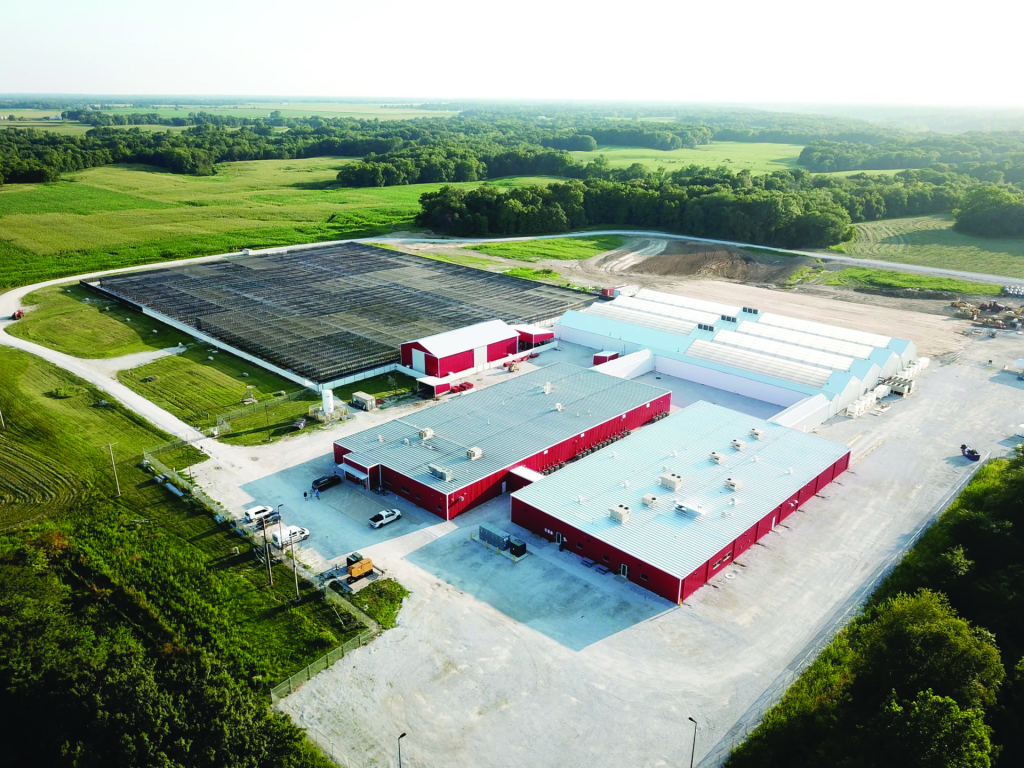
How the Screenhouses Got Built
According to court documents obtained by The Cole Memo, NGW began expanding its cultivation center in early 2019 to “meet the increasing demand from rising numbers of qualified patients within the State” of Illinois. On April 17, 2019, it applied to build a 43,500-square-foot screenhouse. The Department approved the request in May 2019 (pictured below). Over the next year, NGW secured additional permits for related construction including a steel drying building and an eventual expansion that pushed the footprint to about 177,000-square-feet of canopy space in the screenhouse.

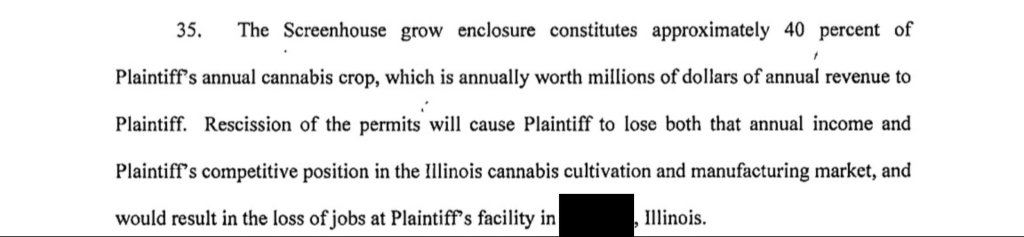
NGW claimed in court it paid about $24,000 in application and permit fees and more than $6 million in construction costs for the screenhouse and processing systems. By 2021, court affidavits show, the company was generating around $5 million in revenue annually from cannabis grown in the structure, about 40% of its annual crop. NGW argued that the permits were essential to maintaining its competitive position in Illinois’ cannabis cultivation and manufacturing market.
“We like it quite a bit. To use Mother Nature to grow the plant is probably the biggest advantage. It’s a lot lower electricity bill.”
COO of NGW, Timothy O’Hern, Chicago Tribune
GTI followed a similar path, beginning with a smaller screenhouse approved in 2018 and later expanded to 43,000 square feet, at a reported cost of more than $1 million, according to court filings.
Both companies paid fees and passed multiple inspections by IDOA and the Illinois State Police before receiving approval to populate their screenhouses with “hemp”.
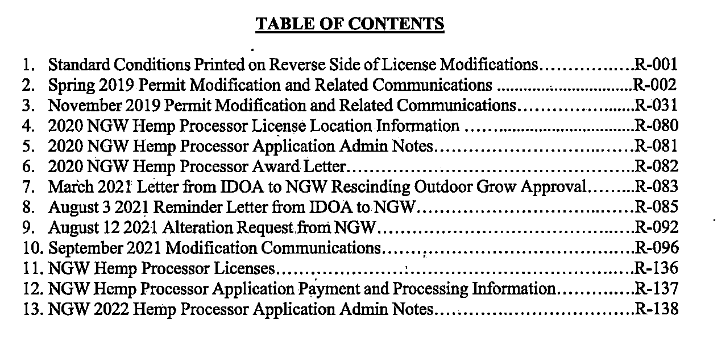
In court documents, NGW’s hemp licenses appeared as part of the record.
Why the State Rescinded Permits
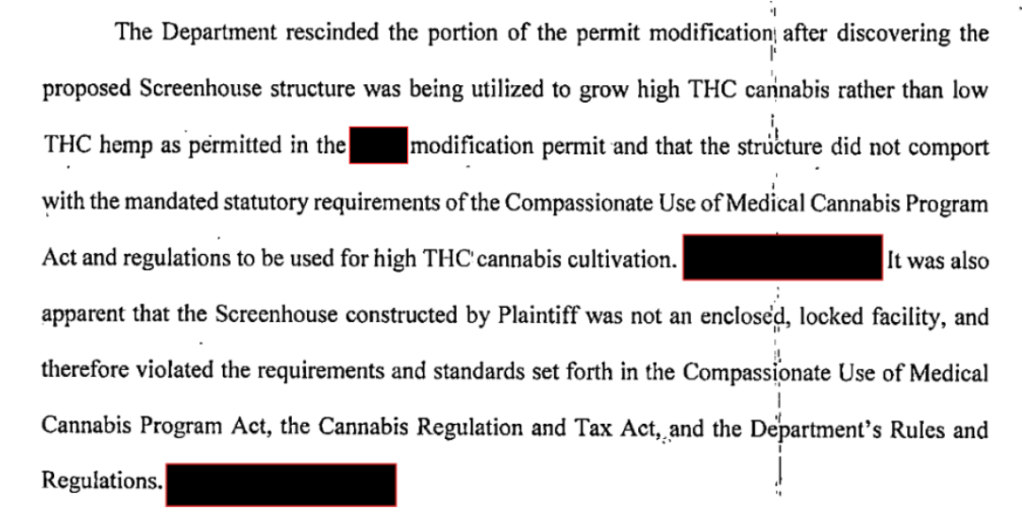
The trouble began when the state shifted its interpretation of what counted as an “enclosed, locked facility,” the standard required under Illinois’ medical and adult-use cannabis laws. According to court records, on March 2nd, 2021, the Illinois Department of Agriculture sent the first rescission letter to NGW.
The Department’s original approvals for both of the screenhouses specified that they could be used only to cultivate “low THC hemp” for extraction purposes. The Department argued that the cultivators had gone beyond that in some cases.
Testimony from state officials cited Illinois State Police testing from late 2020 that found THC levels of 1.6% or higher in the plants on one of the outdoor farms, well above the federal 0.3% THC threshold to qualify as “hemp”.
The Department also raised concerns about pesticide drift, water supply for the outdoor area, and insect infestations, pointing to an aphid outbreak at one of the facilities as part of its justification.
Below are documents from each of the court cases, respectively.
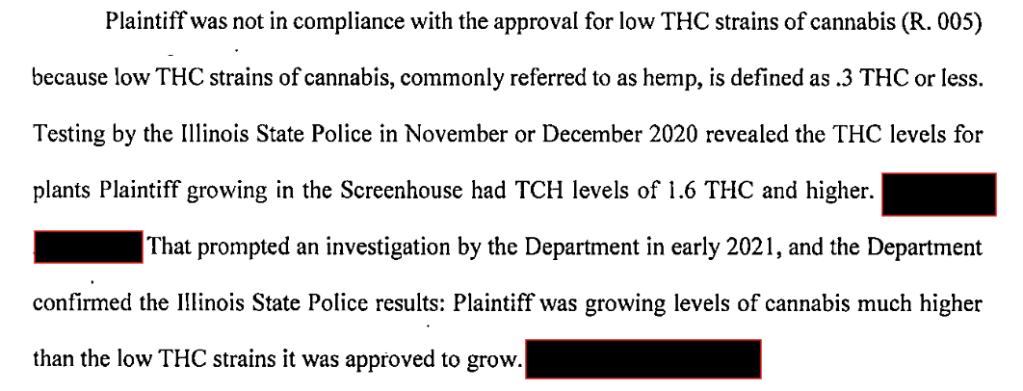
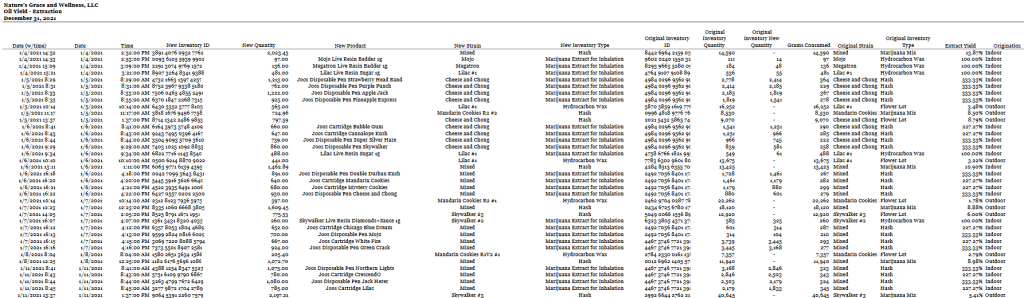
According to the court records, NGW estimated that they extracted almost 286,000 milliliters of distillate from the “hemp” that was cultivated and harvested in the screenhouse in 2021. Based on those figures, they estimated that they generated approximately $5,284,223.51 from “hemp” cultivated and harvested in the screenhouse in 2021.
Biotrack data was provided to backup these claims.

The Companies Push Back
After the state of Illinois attempted to revoke the ability to grow outdoors, NGW and GTI challenged the decision in court, arguing that the Department effectively created a new rule by reinterpreting “enclosed, locked facility” without following the Illinois Administrative Procedure Act (APA).
NGW argued that the sudden rescission jeopardized millions in investments, jobs at NGW’s Vermont facility, the statewide supply of legal cannabis, and their ability to remain competitive. GTI made similar arguments, pointing out it had built and operated its screenhouses for three years without incident, under the Department’s supervision.
Courts Say IDOA Skipped the APA
Reporting from Law360 confirms that the courts deemed the Department’s position invalid under the Illinois APA because it had bypassed the required notice, comment, and publication process.
From what I understand, this means GTI and NGW have been allowed to continue using their screenhouse setups for outdoor cultivation.
A Roadmap for Other Growers?
By allowing NGW and GTI to maintain their screenhouse setups, the decisions set a precedent that could guide future cases.
That could explain why a Curaleaf subsidiary, Compass Ventures Inc., is asking a Montgomery County judge to order the Department to process its permit request. The case, Compass Ventures Inc. v. Illinois Department of Agriculture (Case No. 2025MR28), could become a new flashpoint in the debate over Illinois’ strict cultivation rules.
Well-capitalized operators may be best positioned to follow this path, though craft cannabis companies, many of which have faced repeated setbacks, have sought similar flexibility.
The Illinois Independent Craft Growers Association previously asked state regulators for permission to grow outdoors, but that request was denied.
“We said, “Flex here a little — let us grow outdoors for extraction only,” association President Scott Redman said. “The ability to grow outdoors would be a game changer for all these craft growers trying to get started.”
An indoor craft growing operation can cost $5 million to $10 million to build, Redman said, compared with as little as $250,000 for a hoop or screen house.
IDOA Statement on Cultivation Rules
The Cole Memo reached out to the State of Illinois for comment on these details, but officials initially declined to respond.
The state provided comment to the Chicago Tribune. The Cole Memo reached out to the Illinois Department of Agriculture to request the full comment that was provided to the Chicago Tribune. The state’s full comment as it was sent to the Chicago Tribune is below.
“Both the Compassionate Use of Medical Cannabis Act and the Cannabis Regulation and Tax Act were designed to uphold strict safety and security standards. Neither Act nor their rules speak to outdoor growing, beyond the definition of “enclosed, locked facility” including “greenhouse” (greenhouse is not defined). Any significant policy change must occur through a formal legislative or administrative rulemaking process. This ensures that the entire industry, as well as advocacy groups and other impacted parties, all have an opportunity to participate in the discussion and that any resulting policy shift is applied to all licensees equally, at the same time, and in the same manner. As can be seen in other adult-use states, the subject of allowing outdoor cultivation is complex, and presents challenges of its own, including the need to mitigate the impacts of animal and insect life and the chemicals designed to protect against them, as well as the potential impacts on industrial hemp production under the 2018 Farm Bill.
The Illinois Department of Agriculture will continue to engage with stakeholders in the industry and the General Assembly to ensure that the cannabis industry is able to grow sustainably, while protecting the health and safety of patients and consumers.”
Lori Harlan, Public Information Officer at Illinois Department of Agriculture
Then vs. Now
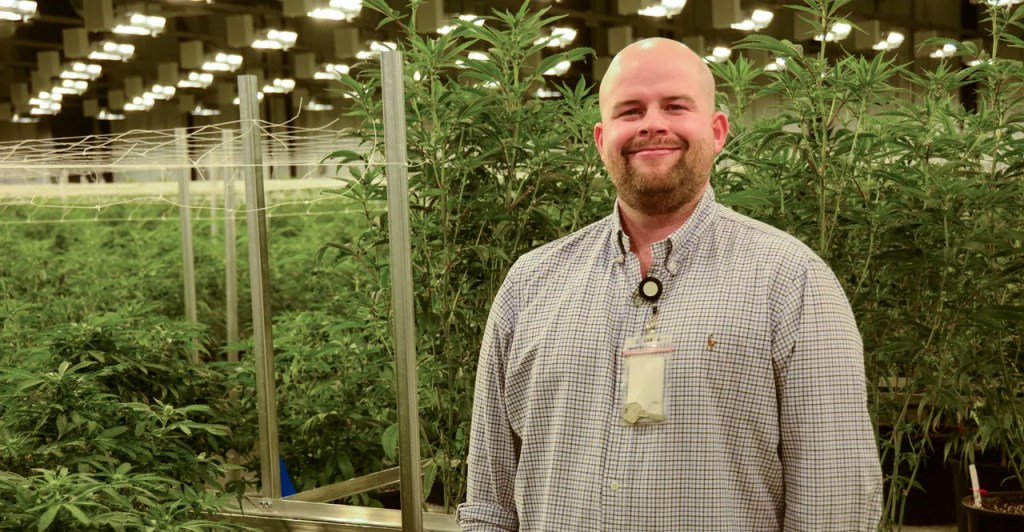
According to a 2018 article published by FarmProgress.com, when Nature’s Grace and Wellness first won its regional license, COO Tim O’Hern said the company was waiting to see how Illinois’ hemp program would develop before considering outdoor production.
“We’re focused on medical cannabis right now. We’re kind of waiting to see what the hemp program in Illinois looks like before thinking about growing hemp,” O’Hern says. He adds that while licensed medical cannabis growers in Illinois either grow indoors or in greenhouses, hemp will likely be legal to farm outside.
“While diversification was a consideration for starting to grow cannabis, really our primary consideration was finding a way that we could help Illinois patients — because we know firsthand how helpful it can be,” he concludes.
The Future of Cultivation in Illinois
As I’ve stated several times, I believe that outdoor cultivation should be a right available to everyone—licensed cultivators, medical cannabis patients, and ideally all adults in Illinois. It should not remain an exclusive privilege granted to just two licensees in the state. It will be interesting to see how this case develops and what the future holds with regard to how we can cultivate cannabis in the great state of Illinois.
Comment below with your thoughts and consider supporting my work!
You can support The Cole Memo with a one-time, monthly, or yearly contribution.
Support The Cole Memo by making a one-time contribution
Support The Cole Memo with monthly contributions
Support The Cole Memo with yearly contributions
Choose an amount
Or enter a custom amount
Your contribution is appreciated. Your contribution helps us afford equipment to capture our content and hosting fees to distribute our content.
Your contribution is appreciated. Your contribution helps us afford equipment to capture our content and hosting fees to distribute our content.
Your contribution is appreciated. Your contribution helps us afford equipment to capture our content and hosting fees to distribute our content.
DonateDonate monthlyDonate yearly
#262 – Odor-Proof Packaging, Witness Slips, and Illinois Cannabis Regulator Vaughn Bentley’s Take – The Cole Memo
- #262 – Odor-Proof Packaging, Witness Slips, and Illinois Cannabis Regulator Vaughn Bentley’s Take
- #261 – Recapping Governor Pritzker’s Address with Jeremy Gorner
- #260 – Chicago Vetoes Hemp Ban, Illinois marijuana news, featuring Jeremy Gorner!
- #259 – MSOs Get Sued, Outdoor Grow Quietly Allowed in Illinois, What Illinois Got Wrong With “Legalization”, + More
- #258 – The Reality of Being a Craft Grower in Illinois

 The Cole Memo
Leave a comment