
- Background
- Inspiration for Article
- Follow up to the State
- What exactly is the role of the lab?
- Recent Statements by David Lakeman
- The Implementation of Cannabis Reference Labs: A National Perspective
- Elephant in the Room: The High Price of Testing
- Conclusion
Background
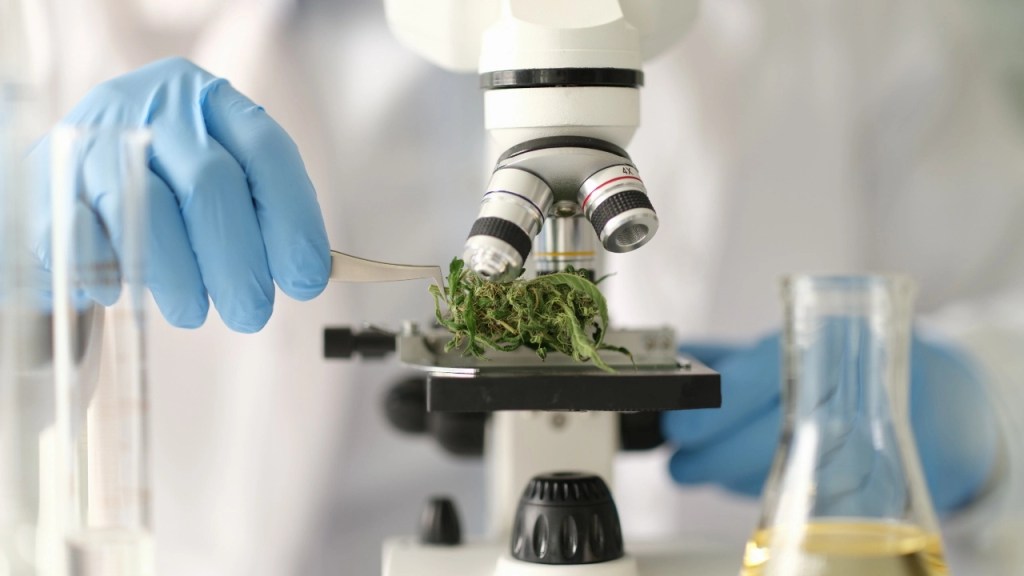
I recently published an article that detailed the ongoing development of a state-run cannabis testing lab in Illinois. It highlighted my interactions with state officials, including representatives from the IDFPR and IDOA, who provided insights into the lab’s purpose and the anticipated role it will play in enhancing cannabis safety and regulatory compliance. The article drew on past experiences, including a discussion that I had with the Chicago Sun-Times journalists who uncovered significant issues with cannabis products that were available in dispensaries. I concluded the article with a promise to follow up with more information as it became available.
Inspiration for Article
One of the cornerstones of drug legalization is access to a safe supply, which inherently includes reliable and readily accessible drug testing. Many in and around the industry refer to Illinois’ cannabis testing standards as “the most stringent in the United States.” With such rigorous requirements, one might assume that adults in Illinois have hit the lottery in terms of access to top-tier testing.
In the past, there were cannabis testing labs in Illinois that offered their services to all adults (with medical cannabis cards), often marketing these services as a way for individuals to test their own homegrown cannabis. This access has seemingly dwindled over time, especially following the revelations from the Chicago Sun-Times investigation. As a result, adults who once relied on these services are now left with limited options to ensure the safety and potency of the products they consume.
With the state now investing in a taxpayer-funded cannabis testing lab, it is essential that these services be made accessible to the public in some shape or form. The ability to test any type of cannabis, regardless of its source, for safety and potency is crucial—not only as a matter of consumer rights but also to stay in alignment with Illinois’ rigorous standards and public health campaigns that emphasize accurate testing and labeling.
Recently, we’ve heard warnings from cannabis business associations, members of the Illinois General Assembly, Illinois cannabis regulators, and industry insiders about the dangers of “untested” cannabis. It would seem that it is in our collective interest to make cannabis testing more readily accessible, allowing us to address any concerns people may have about the cannabis they choose to consume.
As I reflected on these thoughts, I couldn’t help but wonder: could the creation of this state-run cannabis testing lab be the solution to this problem? After all, if Illinois is going to pride itself on having the strictest testing standards in the nation, it seems only fitting that we ensure citizens have access to these services.
With this in mind, I decided to reply to the most recent email that I had received from the state to ask what I believe is an extremely straightforward question: will the people of Illinois have the ability to test cannabis in the state-based lab?
Many people refer to Illinois as having the strictest cannabis testing standards in the nation. Episode 112 of The Cole Memo Podcast makes the case that Illinois’ stringent regulations may actually hinder the production of high-quality cannabis.
“In Illinois today, we have a pesticide test that we cannot do. The test requires us to test for 350 different pesticides…What’s it driving? Non-compliance. Since none of us can actually do the test, every laboratory is doing something different. Many of them are not even doing the test. So, with the intention of creating the most stringent criteria, it actually caused the opposite. It actually is causing non-compliance.“
Follow up to the State
This is the follow up message that I sent to the state.
Click to see my email conversation.
I have one follow up question for now!
Will this lab be exclusively leveraged by the state, or will its services also be open to the public?
Thanks,
Cole
Sent August 20, 2024
Response from the State
Hi Cole –
We are currently focusing exclusively on getting the lab open for state testing.
Thanks.
Received August 21, 2024
Response to the State
Hello again,
Thank you for the update and for your efforts in getting the lab operational for state testing. I completely understand that the immediate priority is to ensure the lab is up and running for state purposes.
I wanted to share a bit of context on why this is particularly important to me and others in the community. Some labs in the past have offered testing to the public, but following a Chicago Sun-Times investigation, they’ve seemingly become more hesitant to offer these services.
In some cases, labs have even denied individuals the right to test their own cannabis because they aren’t “licensed cultivators.” This is especially concerning for medical patients, who, according to conversations I’ve had with the office of the CROO, should be considered “licensed cultivators” under the law.
This situation presents a real problem, as it limits the ability of individuals to ensure their own safety by testing the cannabis they wish to consume. Given that one of the key goals of cannabis legalization is to enhance public safety, broader access to testing services is crucial.
I’m curious does the state have plans to provide these resources to the general public in the future? If not, do you have an alternative process you would recommend for individuals seeking to ensure the safety of the cannabis products they want to consume?
Thank you again for your time and for all the important work you’re doing on this project. I’m so excited to see the progress on this project.
Best regards,
Cole Preston
Sent August 21, 2024
Response from the State
Adding David Lakeman (welcome back!)
Kristi
Sent September 3, 2024
Response to the State
Thank you, Kristi!
David, I’m sorry to hit you with a question on your return! I hope all is well for you and the family.
Cole
Sent September 5, 2024
Response from the State
Hi Cole – Below is our response. Thanks.
As one of the first state-run Cannabis Reference Laboratories in the nation, the primary mission of the Department is protecting the health and safety of patients and consumers in the Illinois cannabis market. As the lab comes online, the Department will continue to develop and expand policies and procedures for its operations based on regulatory needs and requirements and available resources. The Department will provide updates as they are available on its website.Lori
Sent September 11, 2024
Response to the State
Hello Lori, quick (and hopefully easy) follow up question.
Will the updates be on IDOA’s website or is there a specific website for the testing lab and it’s services? Can you share a link?
Thanks,
Cole
Sent September 11, 2024
Response from the State
Sent September 11, 2024
The lab will have a page within the existing IDOA website once the lab is operational.
Lori
What exactly is the role of the lab?
As I’ve followed the development of the Illinois state-run cannabis testing lab, the state’s messaging around its role has felt inconsistent.
In some conversations, officials have emphasized that the lab’s primary function is to handle urgent health and safety concerns when independent labs may not be able to act quickly enough.
For instance, David Lakeman from the Illinois Department of Agriculture indicated that the lab would not be used to audit private labs, but rather to step in during emergencies. From my perspective, this suggested that the lab’s role would be targeted and would only respond in case of emergency.
During a separate conversation with Vaughn Bentley of the Illinois Department of Financial and Professional Regulation, Vaughn suggested that the lab could “verify that the labs are functioning correctly,” which, to me, implied a broader oversight role that would include a validation step.
More recently, a Chicago Tribune article mentioned that Reggie Gaudino, a cannabis researcher, is advising on the creation of a “state reference lab”, which would be used to “check the accuracy of private labs.” This raised new questions for me about whether the lab’s function had evolved or if I was simply misunderstanding the nature of the state’s efforts(most likely the case).
From what I have been able to gather, the “state reference lab” that was mentioned in the Tribune is part of the Cannabis Research Institute (CRI), which falls under the Discovery Partners Institute—a research center within the University of Illinois system.
In the past, the Chicago Sun-Times reported that “The CRI is working closely with the Cannabis Regulatory Oversight Officer, the Drug Enforcement Administration, and other regulatory agencies.”
In light of these seemingly conflicting reports, I reached out again to the state to seek clarification. Below is my inquiry, which I hoped would provide clarity on what role the lab is truly expected to play moving forward:
Message to the State
Hello Lori,
I had one more follow up question. I recently read a story in the Chicago Tribune which seems to mention the cannabis testing lab. Here is a link to the article that I am referencing: https://www.chicagotribune.com/2024/09/09/cannabis-research-institute-opens-in-chicago-looking-to-dig-deep-into-marijuana/
Below is the quote that I am referencing:
“And he will advise on establishing a state reference lab that will check the accuracy of private labs. Studies have found discrepancies between lab reports and actual levels of potency and contaminants, including mold, in legal weed.”
Can you confirm:
- is Reggie Gaudino advising on the creation of this lab?
- Is the Chicago Tribune report accurate: Will the lab be used to check the accuracy of private labs?
Thanks,
Cole
Response from the State
IDOA does not have a contractual relationship with the Cannabis Research Institute or Mr. Gaudino. We aren’t able to speak to what that article is referencing.
Based on the state’s response, it seemed like the “state reference lab” mentioned in the Chicago Tribune report is a separate entity from the lab that I’ve been tracking in this article(the Illinois Bureau of Cannabis Testing Lab).*
As cannabis regulators often say, it feels like we are “building the plane while we’re flying it.” In similar fashion, it seems like the exact role of the Illinois Bureau of Cannabis Testing Laboratory is still being worked out.
“I overuse the metaphor a lot from a bureaucratic standpoint, but it’s true in the industry as well: we are building the plane while it’s mid-air, and the boarding process is ongoing…and maybe one of the wings is on fire!“
Quote by David Lakeman
Manager at Division of Cannabis for Illinois Department of Agriculture
11/14/2024 Update: According to this page, “Cannabis Research Institute was formed in 2022 in association with the state of Illinois, the Cannabis Regulation Oversight Officer for Illinois and DPI, which is part of the University of Illinois System. The initiative was funded in July of this year with a $7 million award from the Illinois Department of Human Services.”
Recent Statements by David Lakeman
On October 28, 2024, David Lakeman interviewed for the position of Executive Director at the Massachusetts Cannabis Control Commission (CCC), sharing insights that, to my knowledge, had not been reported elsewhere. See below transcript or video.
Breaking News: On October 28, 2024, the Massachusetts Cannabis Control Commission (CCC) held final interviews for the Executive Director position. The 3 commissioners for the Massachusetts CCC unanimously voted for David Lakeman as the next Executive Director. Lakeman’s official appointment to the role is subject to his acceptance of the position, salary negotiations and a background check, commissioners said Monday. Read more here.
Transcript
Below is a excerpt from the transcript of the interview. If you’d rather not read, you can also watch this moment below.
Massachusetts CCC Interviewer: “Please explain, in your view, how the regulated cannabis industry interacts with public health and public safety. As the next Executive Director, what steps would you take to expand and support public health and safety within the Massachusetts cannabis industry?
David Lakeman: “The public health piece of this is absolutely foundational, right? The cornerstone of a safe and legal industry is the knowledge that, if you are a consumer or if you are a patient, the product you are purchasing and consuming is safe. That is one of the ultimate cornerstones—foundations of—of the legal industry, and it is vital and incumbent on the commission to ensure that mission is met.
Especially given where we are—that we still lack the federal partners that any other consumable item would have. There remains no FDA input, there remains no USDA input, and conflicting DEA input, right? The resources on which, you know, MDAR (Massachusetts Department of Agricultural Resources) has for agricultural products, does not exist here. You know, or at the Illinois Department for meat and poultry, or even weights and measures—it doesn’t exist for this industry.
One of the things I am proudest of in Illinois that we are doing is we are building one of the very first—one of the nation’s very first—cannabis testing labs run by the cannabis regulator. So, we are building that lab as we speak, and it will be operational shortly. This is something we’ve been working on for two years. It has been an incredible amount of work, and if you told, you know, David four years ago that I would be coming to this table with, you know, not only a broad knowledge of this but also understanding the differences between an LC-MS and a PCR and a centrifuge, um, or even the fact that you refer to it as an ‘instrument’ and not a ‘machine,’ which I was, uh, very quickly corrected on, uh, when we got our new lab bureau chief—I would have been surprised.
But that has been a huge piece of what my work over the last two years has been, and a piece of the foresight both for the department and that I would bring to the commission.
The lab is going to be an incredible tool for us. It will serve not only as a compliance tool, right, in which we can work with our licensees and also our independent testing labs, but it’s also going to serve as the focal point for our research, right? The state universities in Illinois are doing incredible work. I just had the privilege of being the keynote speaker at the Southern Illinois University Cannabis & Hemp Symposium, and the science they are doing is incredible, right? Because we don’t have it. I mean, to—to your opening statement—what regulated industry is there that lacks in basic research to this degree?
How many times, as policymakers, do you say, ‘I wish we had more data to inform this decision,’ right? And so, what we have done in Illinois is we have acted on that, and that lab is going to be up and running within the next few months. We are staffing it up, we have the instruments, it’s being built out. We’re going to be able to serve those scientific functions, but we are also going to serve as the center point for that research. We’re going to work with and act both as a force multiplier for our labs, and have them act as a force multiplier for us.
We are exploring the use of a large language AI model to assist with some of the heavy analytic work. One of the initial things we’re looking at is using that to analyze pesticide data going all the way back to the medical program. It will allow us to start pushing forward research on the Hop Latent Viroid, which is a challenge across the industry. And again, if I had gone to myself four years ago and knew that I was going to understand the difference between the ‘lunar lander module’ structure of a virus versus the ‘curved cane’ structure of a viroid, I would have been very surprised. But this is exactly what regulators need to be doing.
So, in terms of the public health aspect, in terms of the science and research aspect, that is not my background, but I now know exactly how to bring all the people of that background together to focus them on a primary goal—to build a functioning lab, to work with the labs, to know how to enforce ISO standards, to know, you know, are your pesticide screens accurate? Are you looking at, um, you know, how are you doing your potency tests, right? I—I just read your op-ed, Mr. Chairman, about the testing process. That’s exactly what we’re looking to—to tackle, right?
We’ll be able to serve as an enforcement tool, a resource tool, and, not only will we in Illinois be a leader in cannabis policy and equity, but also in research.”
The interaction continued.
Massachusetts CCC Interviewer: I just have a follow-up to that, and thank you so much for that answer. Um, and—and kind of piggybacking on Commissioner Steen’s question about buy-in from stakeholders—um, we all know these things aren’t free.
David Lakeman: “They’re not.”
Massachusetts CCC Interviewer: “They’re not. So, um, just quickly, can you just share how you got buy-in? How you were able to, um, get to the starting point—to ribbon-cutting, let’s say, in a couple of months? And how you got that, maybe, from the Illinois legislature? Yes, you share.”
David Lakeman: “I mean, it was—it was an extensive process, right? It started with, again, really great leadership at the Illinois Department of Agriculture, right? And that was something they were interested in. The department hosts several other labs—um, the seed lab, the pesticide lab, um, the metrology lab—um, the infrastructure was there, right? We knew how to do it.
And so, once we—we came to the idea very early on—the idea came to me in, September of 2020, the very first notion was there. Um, and, you know, we’ll just walk through the process quickly. First, you’ve got to figure out exactly what your physical location is going to be. In our case, we had an unused serology lab that was a pretty good fit for it, which is used for testing animal diseases.
And moving from there, we identified: okay, what are the physical needs going to be? What are the instrument needs going to be? What are the staffing needs going to be? So, developing that plan, doing the research, you know, going to the independent testing laboratories and getting a sense of, ‘What do you guys do?’ Um, going to the University of Illinois Healthcare System, trying to understand what they look at. Um, we’ve been engaged with the public health-affiliated lab that was doing some work on COVID testing because the PCR testing that they use is also useful for cannabis.
We then brought on some folks—uh, someone from the EPA and someone from the Illinois State Police—to help us draft a map forward. You know, what are our guideposts going to be? What are we looking for? Um, what are the metrics we need? What are the deliverables we need? And how do we execute on them?
You know, we were then able to go to the state legislature and provide, you know, a five-year budget. It was very, very up in the air, but the two-year budget was the main thing, and this is what we think we’re going to be looking for. It builds off of what the department is already doing.
You know, consistently, I—I’ve gone to all—all of the department’s budget hearings since joining the department, and there’s always a lot of questions about cannabis. Um, so we were able to work through those, work with key stakeholders to make sure that the funding was approved—which it was. We worked with the department, which was extraordinarily supportive, and the administration in terms of getting this done and knowing it was a priority for the cannabis industry.
You know, look, I won’t lie to you—there were some fits and starts. Um, we were initially kind of working through state building, and then we were able to identify, um, you know, an organization that does build-outs for hospital testing laboratories. They’ve been the lead contractor on getting it built, which allowed us to focus on what we need to focus on and let them come in with their expertise to—to actually do the build-out.
You know, identifying then the vendors, you know, working with different vendors—I don’t want to, I don’t want to use any names because I don’t want to get us in trouble, um, you know, if the Commission moves down that route—but working with those vendors for those instruments to develop training programs, develop SOPs, um, to determine which instruments to buy, how to have them installed, calibrated, verified, and setting those things up. And now working on developing the staff, right, which is also key. What staff do we need? Um, what are the goals of the lab? What do we want it to do? So again, developing a training program for them, developing SOPs for them.
And again, it’s the things that you don’t think about, right? But that’s the—the—the meat and potatoes of state government. It’s not just setting the policy but understanding how to execute it. And again, that is one of the chief strengths I’m going to bring to you—not only understanding the policy, which I’ve been immersed in for six or seven years now, but also how to actually make government and agency work to accomplish those objectives and doing so in a way that actually completes the mission.
So, you know, we’ve hired a Bureau Chief, which we were able to hire from the Illinois State Police. He’s been doing great work—20 years of experience in the chemistry field. We’ve got a couple of chemists coming on board, we’ve got a position called an Environmental Health Specialist, which will help us with, uh, ingredient review and other things along those lines.
But again—and now I will use the metaphor, and I apologize to all of you—we really are ‘building the plane mid-air,’ right? We’re developing what it’s going to be while the boarding process is underway, and at any given point, one of the wings may be on fire, right, which again you’re all very familiar with.
But we are going to be operational. We are going to be a key tool in compliance and research moving forward because it wasn’t just an idea. We identified the need, we moved forward on it, and we have done the work to get it established in just two short years, which, for a state agency to build an entirely new lab with no roadmap, with no preconceived notions, with no set concept of what it should look like—you know, I think that that is impressive, and it’s something I’m extremely proud of.
Video
David’s statement that “The cornerstone of a safe and legal industry is the knowledge that, if you are a consumer or a patient, the product you are purchasing and consuming is safe,” suggests to me that Illinois has no immediate or foreseeable plans to offer testing services beyond cannabis that has been legally purchased.
Even so, there doesn’t seem to be a clear public submission or complaint process in place, even for cannabis that has been legally purchased in the state of Illinois. This raises questions about the lab’s overall purpose and responsiveness: How will it determine when to take action? What criteria will trigger its involvement, and will consumers ever have a straightforward way to flag potential issues? And the million-dollar question: how transparent will the lab be with its data? The state of Illinois has a reputation for being secretive about cannabis recall data and other related information.
The absence of clarity makes it difficult to understand how this state-run lab intends to ensure product safety for consumers and patients alike. Hopefully, more answers will be known when the lab becomes operational.
New Article from Cole Memo: Is Cannabis Odor Still a Crime?!
Check out my latest article: Illinois Supreme Court: Burnt Cannabis Odor Insufficient for Search, Unburnt Odor Decision to Come—where I break down the court’s ruling and what it means for cannabis users in Illinois.
You can also listen to my coverage of this topic with legal professionals here.
The Implementation of Cannabis Reference Labs: A National Perspective
According to a recent report from MJBizDaily, industry operators, along with a national association of state regulators, view oversight by “reference laboratories” as a best practice that should be standard across all state-regulated cannabis markets.
“The cannabis testing lab markets have proven over and over again that they cannot govern themselves effectively – regulators have to provide a strong structure of governance and enforcement,” said Sarah Ahrens, president of Trichome Analytical, a New Jersey-licensed laboratory.
According to the analysis by MJBizDaily, more than half of America’s biggest cannabis markets do not have state-based reference labs. States that currently have reference labs in place include California, Colorado, Florida, Iowa, Maryland, Montana, New Mexico, New York, Oregon, Utah, Washington, and West Virginia. On the other hand, states like Delaware, Michigan, Minnesota, Mississippi, Missouri, Oklahoma, Vermont, and Illinois are still in the process of establishing these labs.
Despite the growing recognition of their importance, many major cannabis markets, including Arizona, Pennsylvania, Massachusetts, New Jersey, and Ohio, have no plans to open a reference lab, leaving gaps in testing oversight. The need for reference labs is clear in cases like California, where the Department of Cannabis Control recently revoked the licenses of several commercial testing labs after state-run reference labs discovered inflated THC potency and the presence of harmful pesticides that went undetected.
Elephant in the Room: The High Price of Testing
I want to address the elephant in the room: testing cannabis is expensive, from the equipment and its maintenance to the cost of running the tests themselves.
While testing services aren’t free to operate, Illinois could offer them at a fee that is commiserate with it’s worth. By doing so, the state could not only lead the nation in accessible cannabis testing but also create a new revenue stream.
Of course, there is a concern that pricing cannabis testing to match the cost of operation could, at least initially, price some people out of access. However, history shows that this isn’t necessarily a permanent barrier.
Consider early genetic testing services, such as those for ancestry or health insights. When they first entered the market, the costs were high and often out of reach for the average person. Over time, as demand grew and technology improved, prices dropped significantly, making these tests accessible to a much wider audience. The same potential exists with cannabis testing.
This would pay dividends—not just financially, but also through the data gathered, which could be used to enhance consumer safety and industry transparency.
More Data is Better: Let’s Collect it!
Illinois has a unique opportunity to become a leader in cannabis data collection with the launch of this state-run lab. By testing a wide range of cannabis products from various sources, the state could detect trends and potential safety concerns early on. With more comprehensive data, we could gain a clearer understanding of how different types of cannabis interact with the general population.
Like any substance, cannabis use carries potential risks. One notable example is Cannabis Hyperemesis Syndrome (CHS), a condition characterized by severe nausea and vomiting in some long-term users. CHS likely existed for years before being widely recognized, but our knowledge was hindered because those experiencing these symptoms may have hesitated to report them. The stigma surrounding cannabis use, combined with the fear of legal consequences, often led users to avoid disclosing potentially incriminating information about adverse effects.
Research has shown that certain individuals have genetic predispositions that can make them more vulnerable to specific cannabis-related issues. Just as different people react uniquely to certain medications, the effects of cannabis can vary widely depending on a person’s genetic makeup. For some, certain varieties might produce a “sativa-like” stimulating effect, while for others, they might feel more “indica-like” and relaxing. The way these effects manifest is highly individual. In short: what works well for one person may cause undesirable effects for another.
The New York Times recently released a podcast episode discussing the potential risks of cannabis use, including CHS and psychosis. The episode features a caller from Illinois who claims to have developed CHS from using legal medicinal cannabis in the state. You can listen to it here.
By expanding cannabis data collection, we could gain a deeper understanding of how genetic factors influence reactions to cannabis-use, enabling more personalized recommendations that minimize undesirable effects and maximize benefits. This would empower consumers to make informed choices about the cannabis varieties best suited to their unique needs and sensitivities, ultimately leading to a safer and more personalized consumption experience.
Conclusion
As much as I’d like to provide a clear answer on what the lab will do and how it will operate, unfortunately, I cannot. Based on my findings so far, it seems unlikely that the Illinois Bureau of Cannabis Testing Laboratory will offer public access to testing—at least for now.
This conclusion stems from the Department’s reluctance to address my inquiries directly, coupled with David Lakeman’s recent statements, which focus solely on testing industry products, with no mention of other potential testing avenues.
The cornerstone of a safe and legal industry is the knowledge that, if you are a consumer or if you are a patient, the product you are purchasing and consuming is safe.
David Lakeman
Still, I don’t believe this idea is as far-fetched as it might seem. Offering public testing is a logical next step, especially when considering the roots of this movement in drug reform and the need for safe access.
The creation of a state-run cannabis testing lab is an important development. There are still several open questions about the role that it will ultimately play. It seems likely that, like other states, Illinois is still determining the best path forward—”building the plane in mid-flight”, so to speak.
I wrote this article to highlight one of the foundational principles behind drug legalization—drug testing. I hope this article serves as a reminder that the right of consumers to know the safety of what they’re consuming is central to this principle, regardless of the source. In a state like Illinois, where strict testing standards are a point of pride, public access to these state services shouldn’t be an exclusive privilege—it should be a right.
Support The Cole Memo by making a one-time contribution
Support The Cole Memo with monthly contributions
Support The Cole Memo with yearly contributions
Choose an amount
Or enter a custom amount
Your contribution is appreciated. Your contribution helps us afford equipment to capture our content and hosting fees to distribute our content.
Your contribution is appreciated. Your contribution helps us afford equipment to capture our content and hosting fees to distribute our content.
Your contribution is appreciated. Your contribution helps us afford equipment to capture our content and hosting fees to distribute our content.
DonateDonateDonate
#258 – The Reality of Being a Craft Grower in Illinois – The Cole Memo
- #258 – The Reality of Being a Craft Grower in Illinois
- #257 – Illinois Cannabis Sales Drop as Lawmakers Revisit Search Rules
- #254 – Announcing the Midwest Cannabis Forum + Other Discussion on Cannabis Policy Today
- #256 – Illinois Cannabis Reform 2026: What Advocates Want and What Might Actually Move
- #255 – Arrests Keep Coming in “Legal” Illinois
 The Cole Memo
Leave a comment